
Mirror
Mirror
E-commerce experience focused on improving shopping decisions to reduce returns and waste in fast fashion
E-commerce experience focused on improving shopping decisions to reduce returns and waste in fast fashion
Project Type
Personal
Timeline
Dec 2023
Team
Solo
Contributions
Research
Prototyping
Testing
Project Type
Personal
Timeline
Dec 2023
Team
Solo
What I Did
• Researched fashion trends, consumer behavior, and sustainability impact in fast fashion.
• Analyzed competitor e-commerce platforms to identify usability gaps and best practices.
• Interviewed six U.S. users (ages 18–24) to understand online shopping pain points.
• Defined and prioritized features to reduce returns and support sustainable choices.
• Designed and prototyped an end to end e-commerce flow from browsing to checkout.
PROBLEM
PROBLEM
Mirror lacks an online presence in sustainable fashion
Mirror lacks an online presence in sustainable fashion
Mirror, a global fashion brand since 1994 known for its inclusivity and affordability, faces a significant challenge in today's digital era. Its absence in the online domain, particularly in the realm of sustainable fast fashion, highlights a need for digital innovation.
Mirror, a global fashion brand since 1994 known for its inclusivity and affordability, faces a significant challenge in today's digital era. Its absence in the online domain, particularly in the realm of sustainable fast fashion, highlights a need for digital innovation.
SOLUTION
SOLUTION
Designing a seamless e-commerce experience for Mirror
Designing a seamless e-commerce experience for Mirror
Craft a user-centric e-commerce platform that embodies Mirror's values of inclusivity and affordability, applying design thinking to prioritize sustainability and user experience. The aim is to design a visually engaging and easy-to-navigate online space that reflects the brand's ethos and seamlessly extends Mirror's physical store experience into the digital realm.
Craft a user-centric e-commerce platform that embodies Mirror's values of inclusivity and affordability, applying design thinking to prioritize sustainability and user experience. The aim is to design a visually engaging and easy-to-navigate online space that reflects the brand's ethos and seamlessly extends Mirror's physical store experience into the digital realm.
RESEARCH
RESEARCH
Examining fashion trends, consumers, and sustainability
Examining fashion trends, consumers, and sustainability
To grasp the fashion industry's evolving landscape, I delved into key statistics and trends. This research highlights changes in consumer behavior and environmental impact, offering a snapshot of current industry change.
To grasp the fashion industry's evolving landscape, I delved into key statistics and trends. This research highlights changes in consumer behavior and environmental impact, offering a snapshot of current industry change.
A Robust and Expanding Market
A Robust and Expanding Market
Dynamic Growth The apparel, accessories, and footwear sector, with a 2023 value of $1.98 trillion, is poised for growth, anticipated to reach $2.81 trillion by 2032, demonstrating a robust e-commerce presence.
Dynamic Growth The apparel, accessories, and footwear sector, with a 2023 value of $1.98 trillion, is poised for growth, anticipated to reach $2.81 trillion by 2032, demonstrating a robust e-commerce presence.
Young Adult Trends
Young Adult Trends
In the fast fashion landscape, young adults aged 18-24, especially students, are the primary consumers. Female shoppers, holding a significant 60.32% market share in 2022, dominate this demographic, influencing trends and demand in the sector.
In the fast fashion landscape, young adults aged 18-24, especially students, are the primary consumers. Female shoppers, holding a significant 60.32% market share in 2022, dominate this demographic, influencing trends and demand in the sector.
Environmental Impact
Environmental Impact
Fast fashion contributes significantly to environmental issues, with frequent garment disposal leading to substantial waste. The industry's greenhouse gas emissions exceed those from global flights and shipping, coupled with labour concerns in production facilities.
Fast fashion contributes significantly to environmental issues, with frequent garment disposal leading to substantial waste. The industry's greenhouse gas emissions exceed those from global flights and shipping, coupled with labour concerns in production facilities.
Consumer Behavior Shift
Consumer Behavior Shift
There's a 10.4% net decrease in planned fast fashion purchases for 2023, highlighting a shift towards environmental consciousness. This trend is stronger among those over 40, with a 19.1% drop in Gen X and a 4.9% decline in Gen Z buyers.
There's a 10.4% net decrease in planned fast fashion purchases for 2023, highlighting a shift towards environmental consciousness. This trend is stronger among those over 40, with a 19.1% drop in Gen X and a 4.9% decline in Gen Z buyers.
Amidst its growth, the fashion industry faces challenges in sustainability due to increasing consumption, shifts in consumer behaviors, and considerable environmental impacts, evidenced by extensive garment waste and limited recycling efforts.
Amidst its growth, the fashion industry faces challenges in sustainability due to increasing consumption, shifts in consumer behaviors, and considerable environmental impacts, evidenced by extensive garment waste and limited recycling efforts.
RESEARCH
RESEARCH
Analyzing competitors to improve shopping
Analyzing competitors to improve shopping
To better understand industry standards, I analyzed several competitor websites in the fast fashion sector. Below are the main takeaways from this analysis:
To better understand industry standards, I analyzed several competitor websites in the fast fashion sector. Below are the main takeaways from this analysis:
The websites help the user to quickly navigate through different features like filter, sort by, dropdown windows...etc.
The websites help the user to quickly navigate through different features like filter, sort by, dropdown windows...etc.
Clear product details and reviews can help close the gap between in-store and online shopping.
Clear product details and reviews can help close the gap between in-store and online shopping.
Some of the websites have a sustainability section but most work is finished by the marketing team.
Some of the websites have a sustainability section but most work is finished by the marketing team.
Reflecting on my findings, my focus is now on refining the online shopping experience to support sustainability by reducing returns and waste.
Reflecting on my findings, my focus is now on refining the online shopping experience to support sustainability by reducing returns and waste.
RESEARCH
RESEARCH
Interviewing users on online shopping challenges
Interviewing users on online shopping challenges
To gain insights into user preferences and challenges in online clothes shopping, I interviewed six individuals aged 18-24 in the U.S. using Zoom and Google Meet. Here are the key findings:
To gain insights into user preferences and challenges in online clothes shopping, I interviewed six individuals aged 18-24 in the U.S. using Zoom and Google Meet. Here are the key findings:
Navigating Online Shopping
Navigating Online Shopping
Users struggle with sizing and navigation, rely on reviews, and often start shopping through filters, keywords, or browsing while being influenced by social media.
Users struggle with sizing and navigation, rely on reviews, and often start shopping through filters, keywords, or browsing while being influenced by social media.
Decision-making & Purchase Experience
Decision-making & Purchase Experience
Users base their decisions on style, price, fit, and brand familiarity, choose retailers for trends and affordability, and want easy returns, clear policies, and reliable delivery.
Users base their decisions on style, price, fit, and brand familiarity, choose retailers for trends and affordability, and want easy returns, clear policies, and reliable delivery.
Sustainability and Quality Concerns
Sustainability and Quality Concerns
Users link sustainability with quality, prefer longer lasting clothing, and feel more confident buying when free returns are available.
Users link sustainability with quality, prefer longer lasting clothing, and feel more confident buying when free returns are available.
IDEATION
IDEATION
Design opportunity
Design opportunity
How might we enhance the online shopping platform to make it more user-friendly and sustainable, thereby reducing returns and waste, while also guiding shoppers efficiently to high-quality, durable products?
How might we enhance the online shopping platform to make it more user-friendly and sustainable, thereby reducing returns and waste, while also guiding shoppers efficiently to high-quality, durable products?
IDEATION
IDEATION
Prioritizing key features
Prioritizing key features
In choosing e-commerce features, I balanced user experience and revenue growth with sustainability, aligning with industry trends. Focusing on green shipping, sustainability labels, and intuitive navigation, the aim was to meet customer needs effectively while promoting environmental responsibility and reducing waste.
In choosing e-commerce features, I balanced user experience and revenue growth with sustainability, aligning with industry trends. Focusing on green shipping, sustainability labels, and intuitive navigation, the aim was to meet customer needs effectively while promoting environmental responsibility and reducing waste.
Must have
Must have
Dropdown Menu for Categories
Dropdown Menu for Categories
Easy and Secure Checkout
Easy and Secure Checkout
Filter and Sort Options
Filter and Sort Options
Detailed Item View
Detailed Item View
Expected
Expected
Deals: Banner
Deals: Banner
Green Shipping
Green Shipping
Trending Items Display
Trending Items Display
Personalized Recommendations
Personalized Recommendations
Nice to have
Nice to have
Virtual Try-On
Virtual Try-On
Review and Rating System
Review and Rating System
Sustainability Label
Sustainability Label
Discount Promocode
Discount Promocode
Unexpected
Unexpected
In-App Language Translation
In-App Language Translation
Loyalty Perks
Loyalty Perks
Live Chat Support
Live Chat Support
Sharing Experiences
Sharing Experiences
DESIGN
Exploring sustainable and user-friendly e-commerce features
I explored innovative solutions such as sustainable materials, size finders, and virtual try-ons, focusing on enhancing the user experience and driving eco-conscious practices in e-commerce.
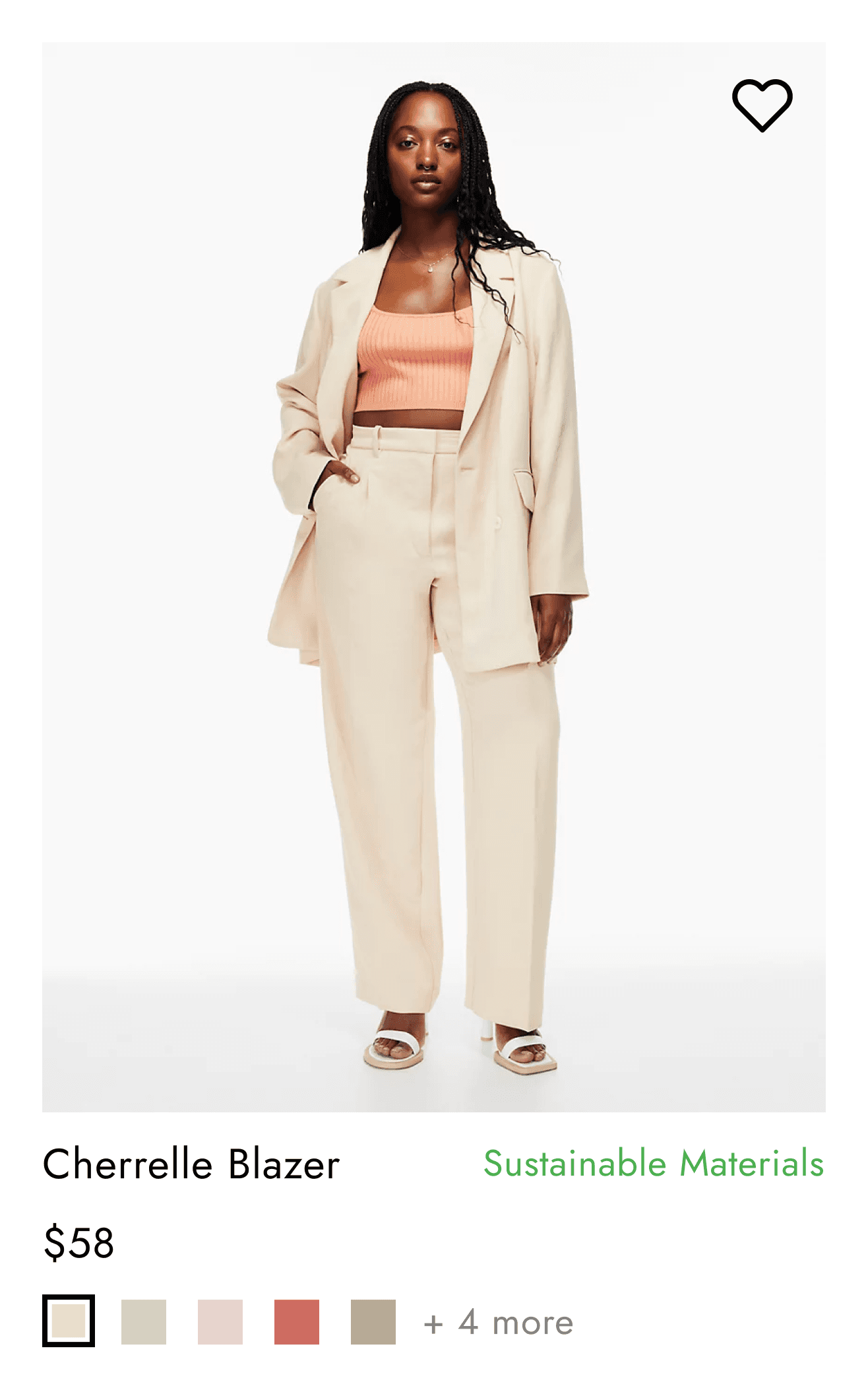
Sustainable Materials
The item card showcases a sustainable suit with a focus on eco-friendly materials, offering a sleek design and simple interactivity for an effortless shopping experience.

Review System
The review system will display the average overall rating and average fit rating, enabling consumers to better choose the right size and high-rated clothes. Users can also leave their own reviews on the site if they want to share their experiences with other users.
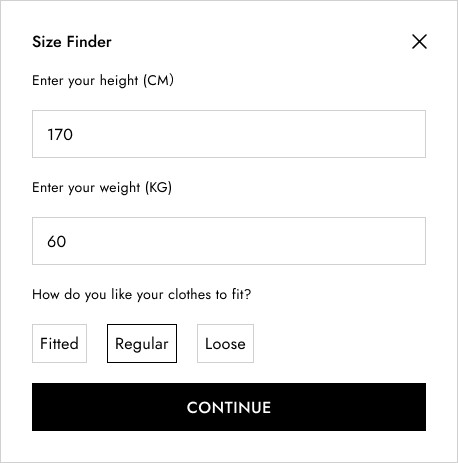
Size Finder
Discover the ideal size with the Size Finder. Users can enter their height and weight, choose a preferred fit from fitted, regular, or loose, and proceed to find tailored options that enhance their shopping experience.

Eco-Friendly Delivery
Opt for 'Eco-Friendly Delivery' to align user shipping choices with sustainability. This method, focusing on efficient routing and consolidation, reduces carbon emissions, supporting eco-conscious decisions.

Person
Garment
Try-on
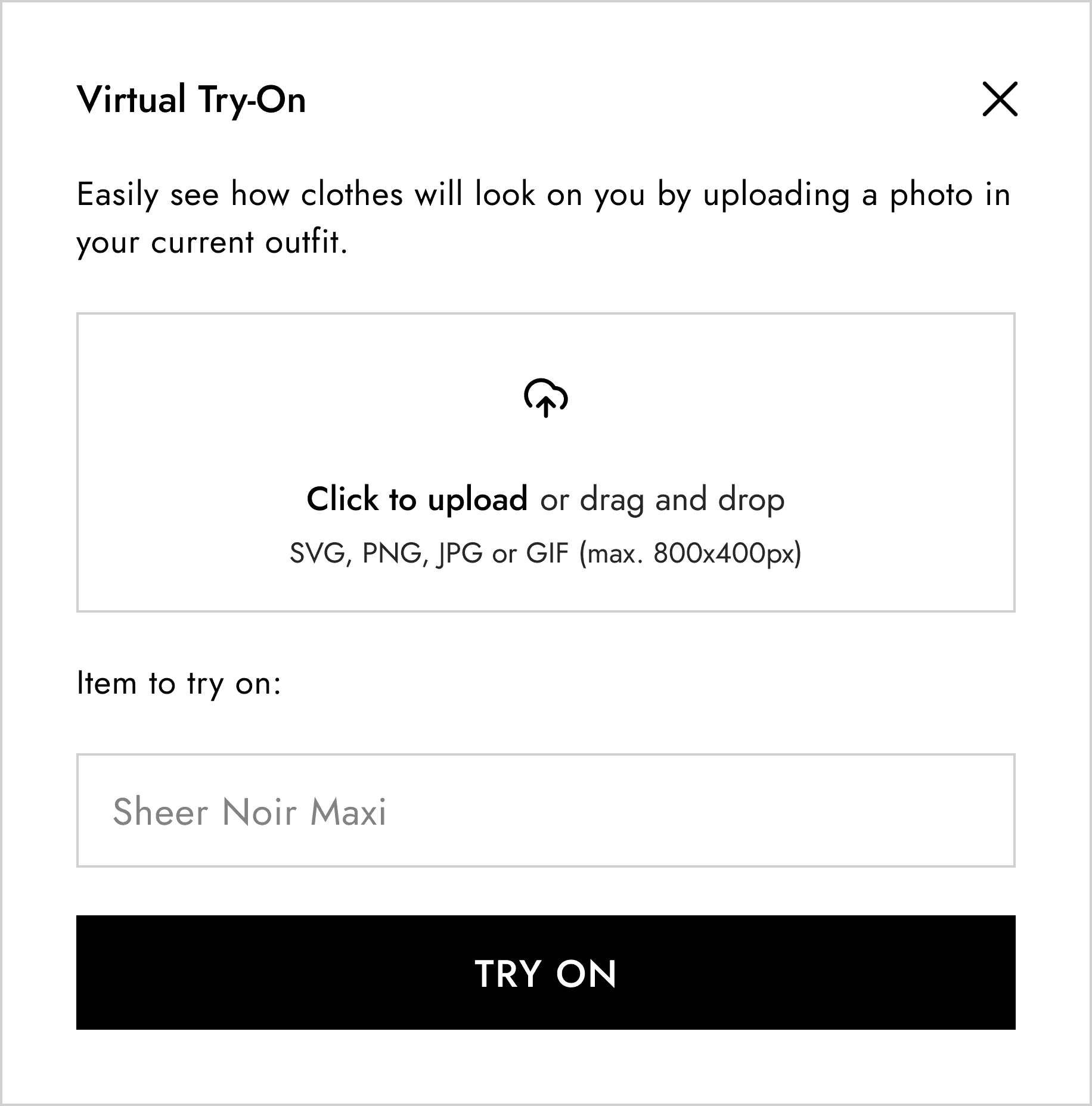
Virtual Try-on
This feature lets users preview how clothes will look on them by uploading a photo. It provides instant fit previews, helping shoppers make informed decisions before purchasing.
FINAL DESIGNS
FINAL DESIGNS
Crafting a seamless e-commerce journey
Crafting a seamless e-commerce journey
The final design delivers a seamless e-commerce experience, balancing intuitive navigation, visual consistency, and sustainability to meet user needs at every stage.
The final design delivers a seamless e-commerce experience, balancing intuitive navigation, visual consistency, and sustainability to meet user needs at every stage.
1
1
Landing Homepage
Landing Homepage
Features a dropdown menu for quick category access and showcases trending items, facilitating easy navigation and discovery.
Features a dropdown menu for quick category access and showcases trending items, facilitating easy navigation and discovery.

2
2
Category Page
Category Page
Integrates filters and a "Sort by" feature, enabling users to swiftly find items according to their preferences.
Integrates filters and a "Sort by" feature, enabling users to swiftly find items according to their preferences.

3
3
Product Details Page
Product Details Page
Offers detailed views of items, options to choose colors and sizes, and includes a review system for well-informed decisions and feedback sharing.
Offers detailed views of items, options to choose colors and sizes, and includes a review system for well-informed decisions and feedback sharing.

4
Checkout Page
Includes a summary of items in the shopping bag with total pricing, options to apply promo codes for discounts, and personalized recommendations based on browsing history.

5
Account/ Guest Login Page
Provides a choice between logging in for a personalized experience with benefits like order tracking and loyalty perks, or proceeding as a guest for a faster checkout.

7
Review Order Page
Allows for a final review and modification of order details before confirming the purchase, ensuring order accuracy.

8
Confirmation Page
Confirms the placed order with an email notification and offers the option to continue shopping, completing the user's journey on the site.

6
Shipping/Billing Page
Simplifies the process of selecting delivery methods and entering shipping and payment information, streamlining the checkout experience.

4
Checkout Page
Includes a summary of items in the shopping bag with total pricing, options to apply promo codes for discounts, and personalized recommendations based on browsing history.
5
Account/ Guest Login Page
Provides a choice between logging in for a personalized experience with benefits like order tracking and loyalty perks, or proceeding as a guest for a faster checkout.
6
Shipping/Billing Page
Simplifies the process of selecting delivery methods and entering shipping and payment information, streamlining the checkout experience.
7
Review Order Page
Allows for a final review and modification of order details before confirming the purchase, ensuring order accuracy.
8
Confirmation Page
Confirms the placed order with an email notification and offers the option to continue shopping, completing the user's journey on the site.
REFLECTIONS
REFLECTIONS
Challenge
Challenge
The main challenge faced was achieving a balance between user-friendly design and ecological considerations. The task was to create an interface that was intuitive yet mindful of sustainability, a complex endeavor that was as challenging as it was rewarding.
The main challenge faced was achieving a balance between user-friendly design and ecological considerations. The task was to create an interface that was intuitive yet mindful of sustainability, a complex endeavor that was as challenging as it was rewarding.
What I would have done differently
What I would have done differently
Reflecting back, I would revise the initial user research phase. A deeper dive into consumer behavior regarding sustainable choices could have fine-tuned the UI design to be more in sync with user preferences and environmental responsibility.
Reflecting back, I would revise the initial user research phase. A deeper dive into consumer behavior regarding sustainable choices could have fine-tuned the UI design to be more in sync with user preferences and environmental responsibility.
Takeaways
Takeaways
This project significantly broadened my e-commerce knowledge, with a special focus on sustainability. The major takeaway is the indirect impact of a well-designed online interface. Improving user experience not only streamlines shopping but also promotes sustainability by reducing returns and waste.
This project significantly broadened my e-commerce knowledge, with a special focus on sustainability. The major takeaway is the indirect impact of a well-designed online interface. Improving user experience not only streamlines shopping but also promotes sustainability by reducing returns and waste.


© 2026 Chang Mou. Crafted with 💪 and ❤️